(Almost!) Off the Grid in the City
Solar and heat pump installation
Ready to Get Started?
•
Schedule a free consult with an energy advisor!
Ready to Get Started? • Schedule a free consult with an energy advisor!

The Cost is Too High
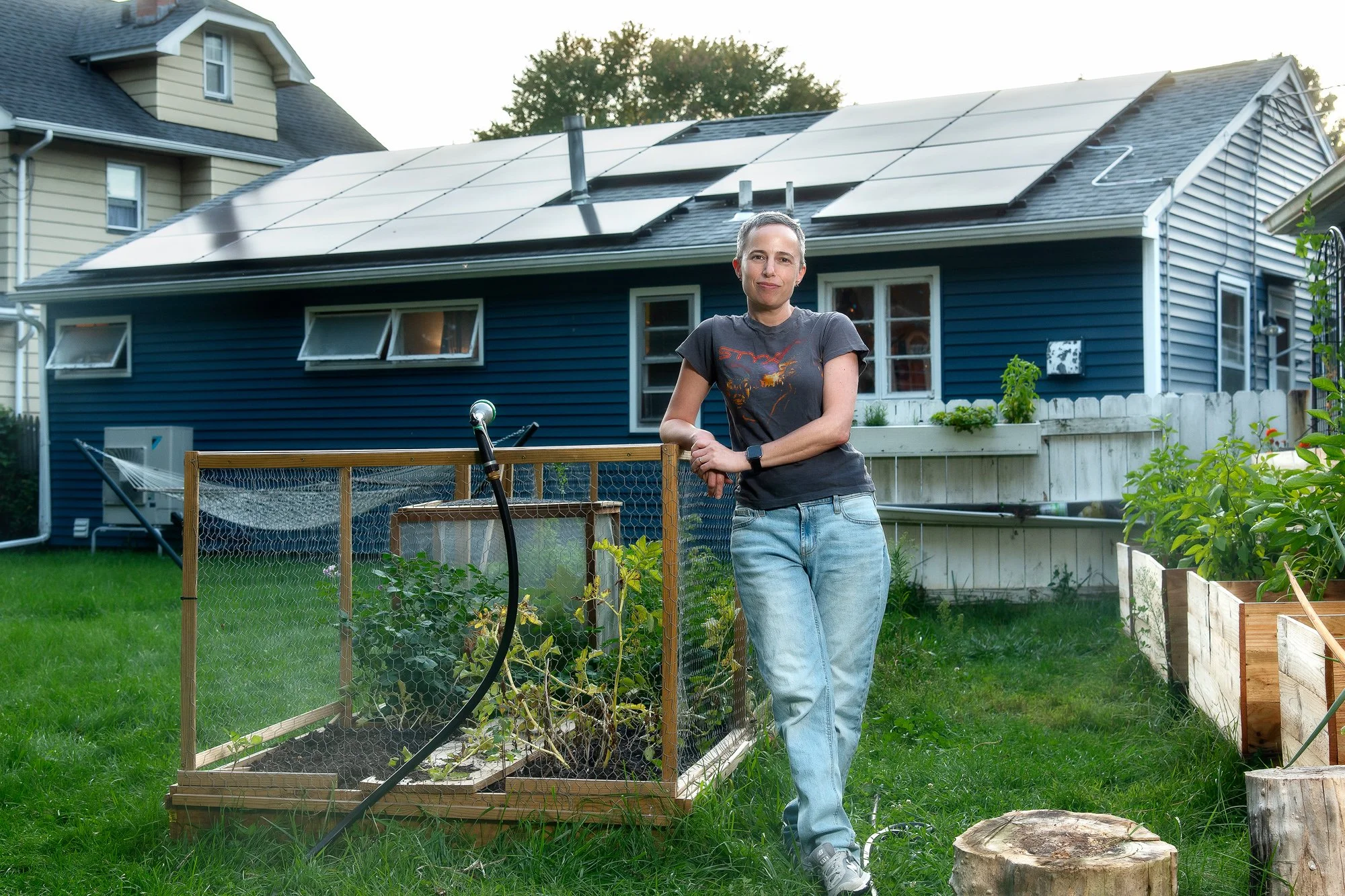
Homeowners Rachel and Greg had a recurring concern: rising energy bills, unpredictable monthly costs, and the impact of relying on gas and electric utilities. After a positive experience installing a heat pump in 2021 (more on that later!), they decided to explore additional upgrades that could make their home more efficient—and more self-sustaining.
They booked a free consultation with an AMPED Clean Energy Hub Advisor and learned how state incentives, a federal tax credit, and low-interest financing could bring solar within reach. They also applied for a STAR credit equivalent, pending an upcoming inspection of the new installation.
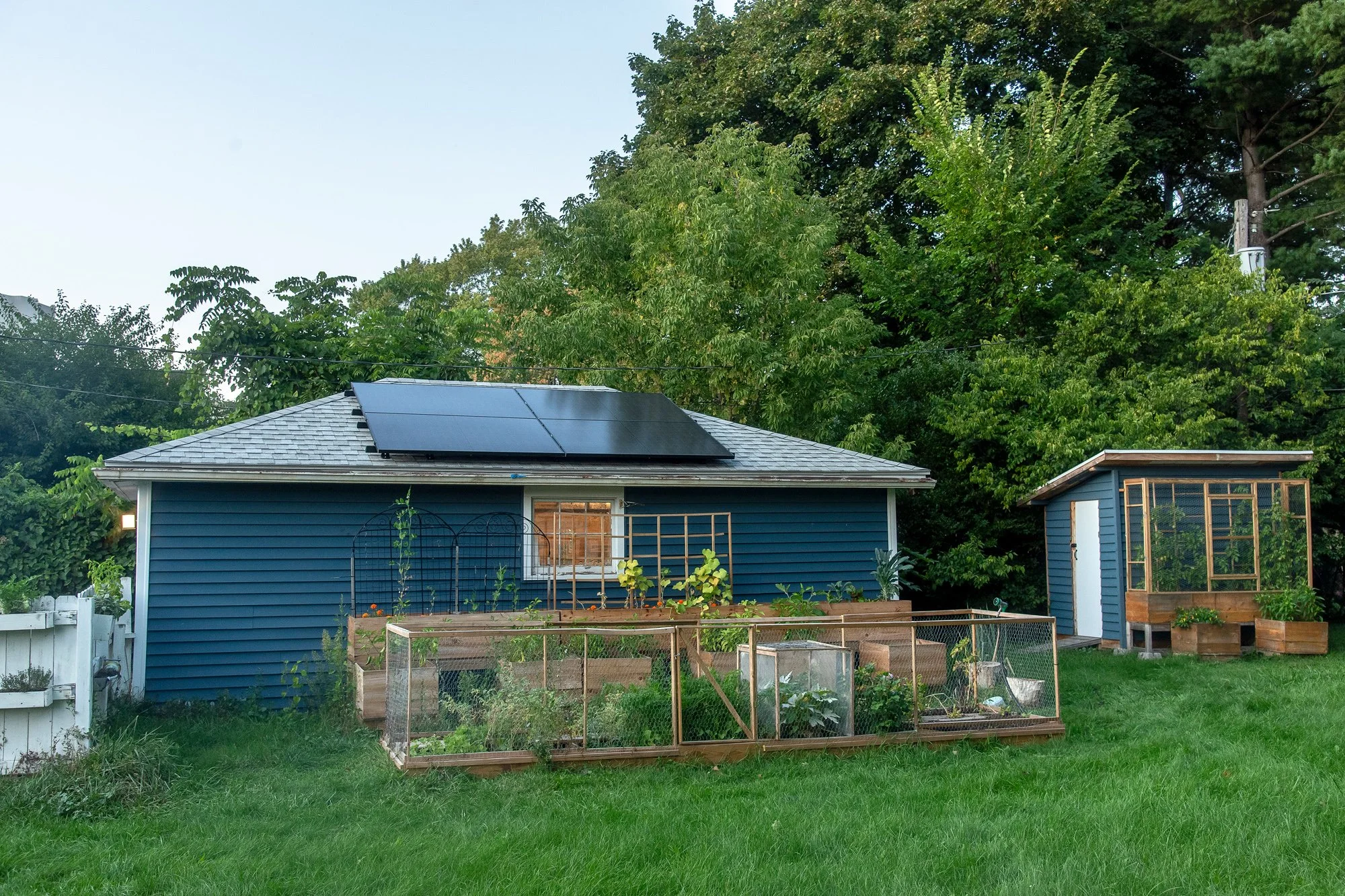
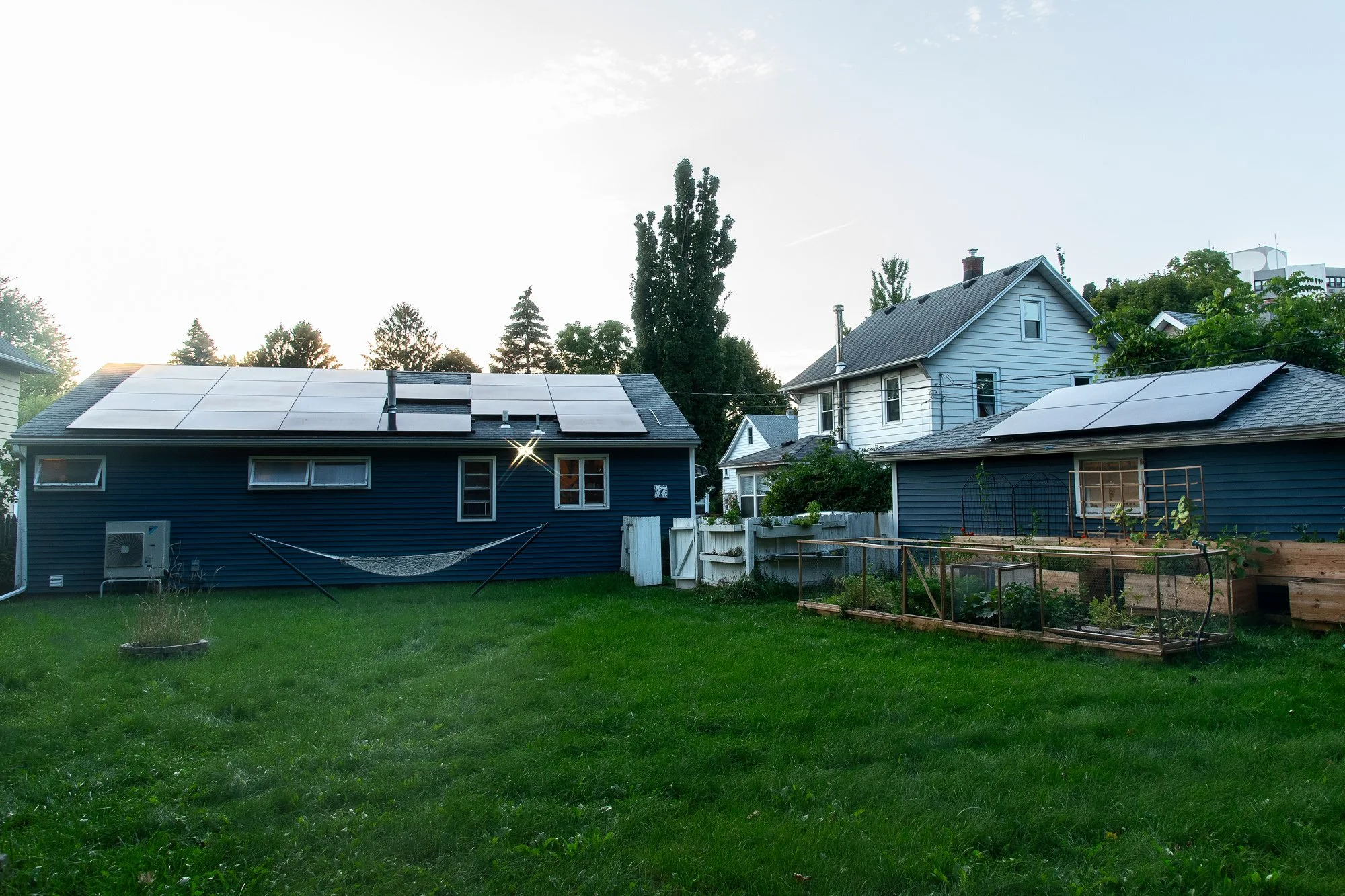
Once the incentives and paperwork were in place, Rachel and Greg worked with 3rd ROC Solar, a local company, to complete the installation. After scheduling, the panels were up and running within a week. The system is expected to generate about 107–109% of the home’s annual electricity needs, with the excess production credited to help cover lower-production in the cloudy and colder winter months.
While they’re still connected to RG&E for backup—and still have a few gas appliances—Rachel and Greg are moving toward a future with less reliance on the utility. With available incentives, their out-of-pocket cost was about one-third of the overall project total, and they expect clearer savings after a full season of operation.
Project Overview
Solar and heat pump installation
Financial Incentives
NYS grant funding and federal tax credit
Project team
AMPED Energy Advisor
3rd ROC Solar
WISE Home Energy (contractor)
Highlights
Reduced cost and complications vs. traditional utility
Clean energy sources for physical and environmental health benefits
Positive installation experience for needed upgrades
And a Heat Pump, Too!
In 2021, Rachel and Greg faced an aging gas furnace that needed replacement. As they looked at their options, they learned that incentives could help offset the cost of an energy-efficient heat pump. “Looking into it, the cost after the incentives was the same as a gas furnace replacement. Gas was less expensive than electricity at the time but I knew it was because it was subsidized, and that could change at any time,” Rachel said.
With state and federal support available (including income-related assistance options), they replaced their furnace with a heat pump to improve comfort and indoor air quality, reduce long-term heating risk, and support their home value. Rachel shared, “The cost savings were taken off the cost of the project before it was started - unlike the 'tax rebates' for the solar panels. Tax rebates are great but having the money saved from the start is better - less interest paid”.
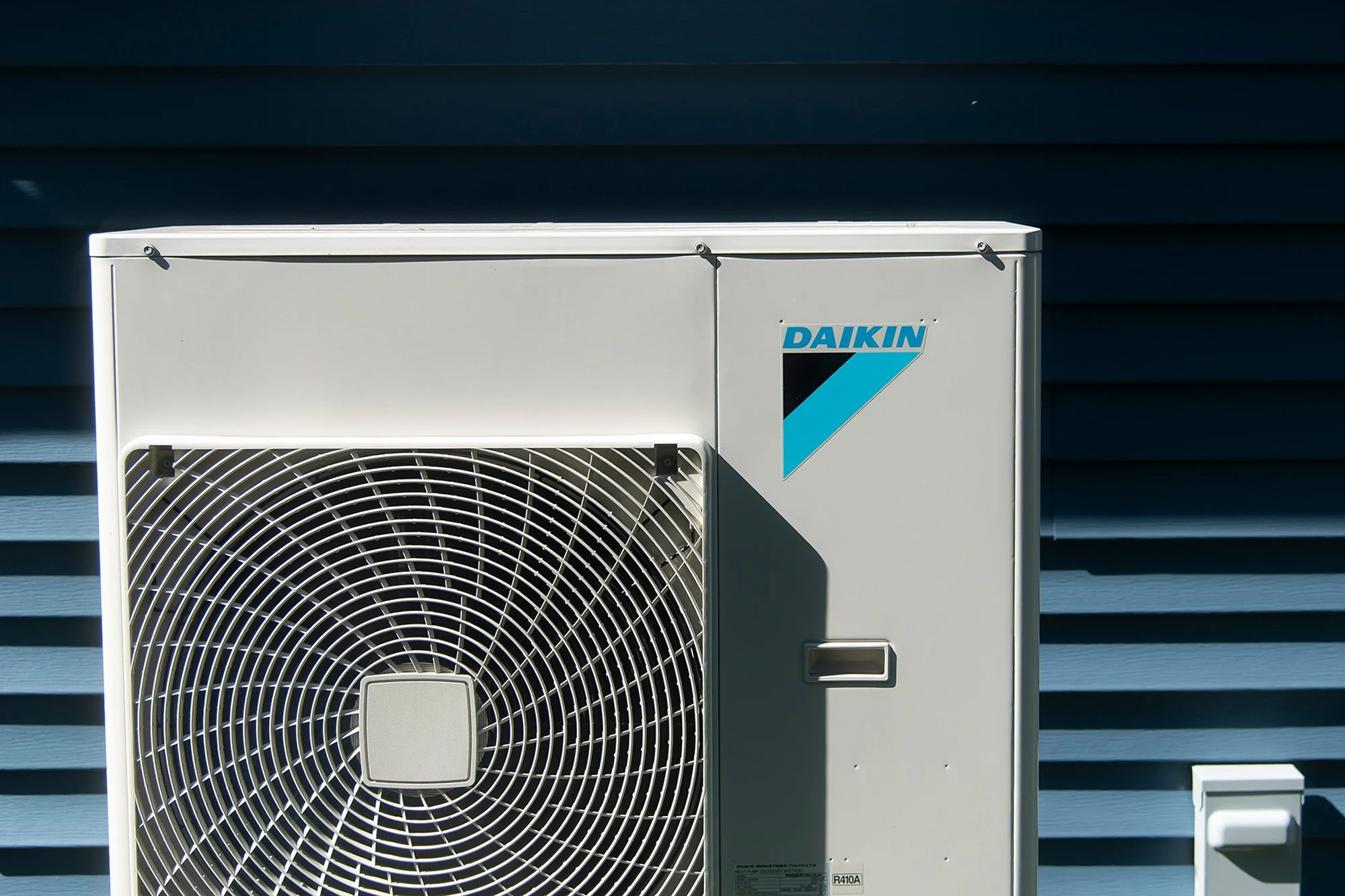
Quick note: A heat pump works by moving heat from one place to another, rather than generating it, making it an efficient way to both heat and cool a home.
Installation through Wise Home Energy took about a week or two and was minimally invasive, integrating into the space where the original furnace stood and using the existing vents. Most of the work happened outside, with an exterior component similar in appearance to a typical air-conditioning unit.
While there was not an immediate change in the utility bill, the cost of gas was still heavily subsidized at the time, which gave an artificial impression of savings, or lack thereof. Since then, the cost of gas has steadily increased and the couple estimates that they would likely be paying twice or three times as much if they had not gone through with the upgrade.
The Bottom Line
For Rachel and Greg, solar panels and a heat pump were practical upgrades that improved efficiency, comfort, and long-term cost stability—while reducing their carbon footprint. Early results show meaningful benefits, with additional savings expected as the system operates across a full year. With incentives and guidance available, these upgrades can be achievable for a wide range of households.